
The lungs are, in Ayurvedic anatomy, the seat of prana — the vital breath that animates every function of the body. When the pranavaha srotas (the channels of breath) are compromised, every other system is affected. Energy drops. The mind clouds. Digestion weakens. Sleep becomes light and unrestorative.
Chronic respiratory conditions — recurrent infections, asthma, allergic rhinitis, post-viral fatigue — are among the most common presentations I see that have a significant respiratory component, even when the patient has come in for something else entirely.
The two primary causes of lung dysfunction
In classical Ayurveda, disease of the pranavaha srotas arises from two main causes: suppression of natural urges (particularly the urge to breathe deeply, which modern sedentary life consistently prevents) and exposure to dust, smoke, and cold damp conditions.
To these classical causes, modern life adds a third: chronic low-grade inflammation from ama accumulation, which creates a baseline congestion in the respiratory channels that makes them more reactive to every irritant.
Tulsi, pippali, and yashtimadhu
The three herbs I return to most often for respiratory support are Tulsi (holy basil), Pippali (long pepper), and Yashtimadhu (licorice root).
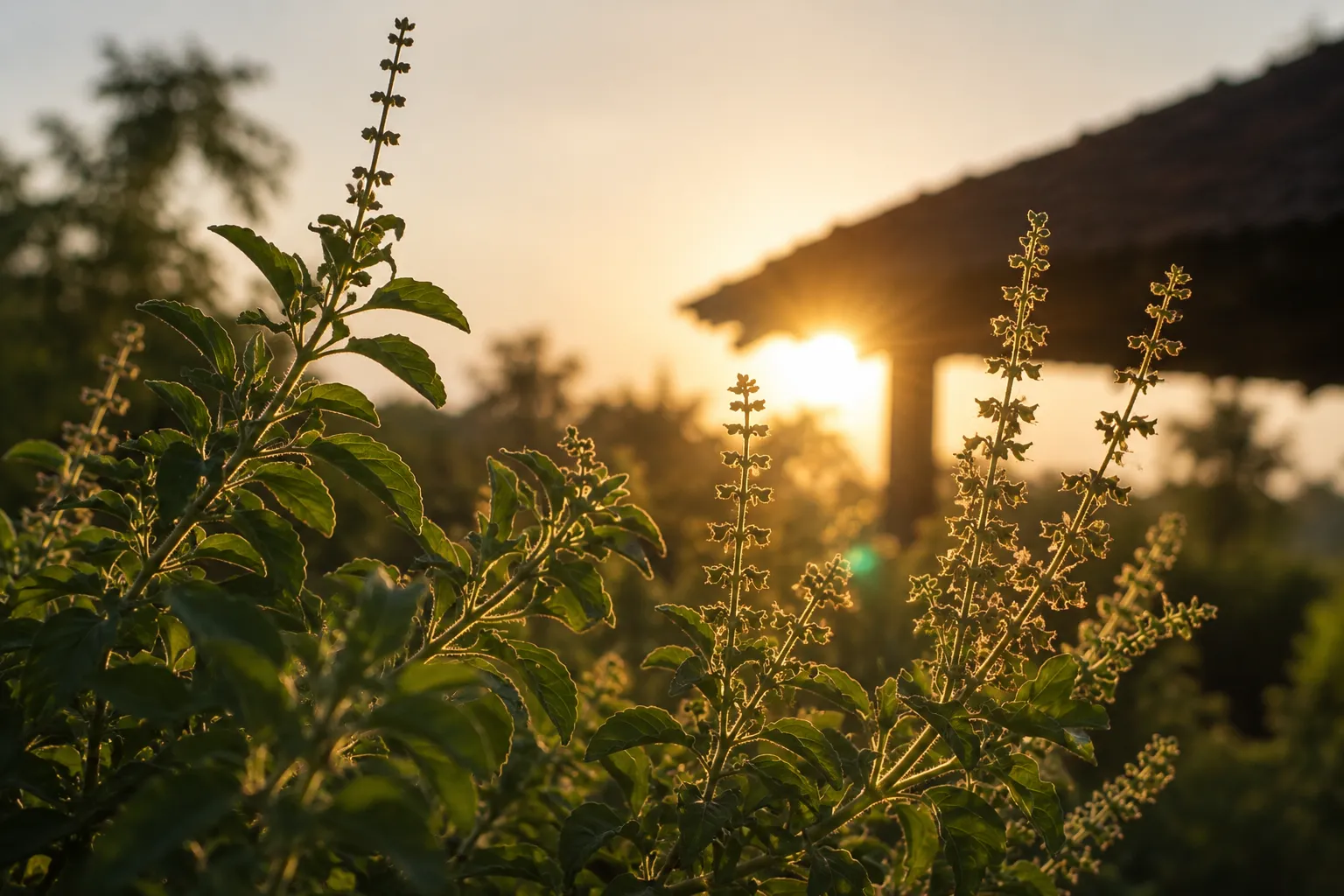
Tulsi is the great respiratory adaptogen — anti-inflammatory, expectorant, antimicrobial, and deeply supportive of ojas. It is used in Ayurveda for the full range of respiratory conditions, from the common cold to chronic bronchitis. Its daily use as a tea is one of the simplest and most effective respiratory interventions available.
Pippali is unusual among hot spices in being rejuvenative for the lungs. Most pungent herbs are drying and can irritate the respiratory mucosa. Pippali is specifically recommended for respiratory rasayana — it clears ama, stimulates the respiratory cilia, and improves the absorption of other herbs taken alongside it.
Yashtimadhu is the soother — cooling, demulcent, and deeply nourishing to the mucous membranes. Where Pippali clears, Yashtimadhu rebuilds. They work best together.
Pranayama as medicine
No herbal protocol for lung health is complete without pranayama — structured breathwork that directly exercises the pranavaha srotas. The most important practice for most patients is simply diaphragmatic breathing: slow, full, belly-led breaths, ten minutes each morning.
This is not an adjunct to the herbs. In classical Ayurveda, it is the primary treatment. The herbs support it. A patient who does the pranayama consistently will improve. A patient who only takes the herbs without changing their breathing pattern will improve less, more slowly.